
Vocabulary • Modern Standard Arabic
Clothes in Arabic: vocabulary, plurals and useful phrases
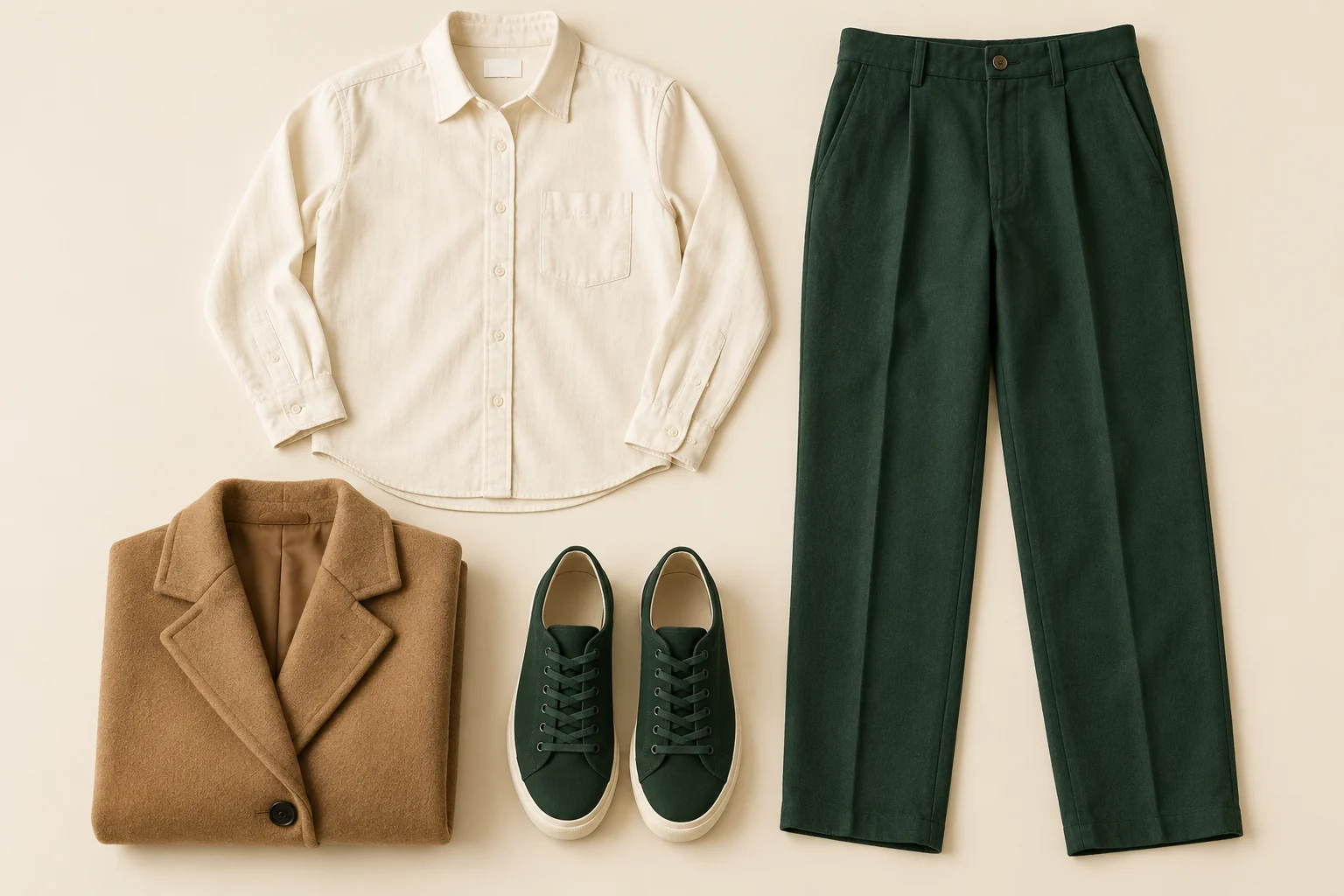
“Clothes” is مَلَابِس (malābis) in Modern Standard Arabic. With the article, الْمَلَابِس (al-malābis) means “the clothes”. For a single item, use قِطْعَةُ مَلَابِس, “a garment”. This guide brings together useful words for describing an outfit, recognising plurals and asking for a size in a shop.
How do you say clothes and a garment in Arabic?
مَلَابِس refers to clothes and is already a plural. To count items without naming their type, use قِطْعَةُ مَلَابِس (qiṭʿatu malābis), “a garment”, and قِطَعُ مَلَابِس (qiṭaʿu malābis), “items of clothing”.
ثَوْب (thawb), plural ثِيَاب (thiyāb), also means “garment”. Depending on the country and context, thawb can specifically refer to a traditional long robe. For a dress, learn فُسْتَان (fustān) rather than treating the two words as interchangeable.
The selection below focuses on Modern Standard Arabic. Everyday names vary between countries, and the same item may have several names. Start with a consistent set of words before combining vocabulary from different dialects.
31 names for clothing, accessories and details to remember
Isolated nouns include vowel marks but omit final case endings. Transcription follows a pause reading, so ة is usually written -a. In complete sentences, endings can change with the grammatical role of the word.
Shirts, sweaters and coats
| Meaning | Singular | Plural | Pronunciation: singular → plural |
|---|---|---|---|
| Shirt | قَمِيص | قُمْصَان | qamīṣ → qumṣān |
| Coat | مِعْطَف | مَعَاطِف | miʿṭaf → maʿāṭif |
| Jacket | سُتْرَة | سُتَر | sutra → sutar |
| Sweater | كَنْزَة | كَنْزَات | kanza → kanzāt |
| Blouse | بُلُوزَة | بُلُوزَات | bulūza → bulūzāt |
| Tie | رَبْطَة عُنُق | رَبْطَات عُنُق | rabṭat ʿunuq → rabṭāt ʿunuq |
| Costume | بَدْلَة | بِدَل | badla → bidal |
| Sleeveless waistcoat | صَدْرِيَّة | صَدْرِيَّات | ṣadriyya → ṣadriyyāt |
| Apron | مِئْزَر | مَآزِر | miʾzar → maʾāzir |
| Lining | بِطَانَة | بَطَائِن | biṭāna → baṭāʾin |
Trousers, dresses and outfits
| Meaning | Singular | Plural | Pronunciation: singular → plural |
|---|---|---|---|
| Trousers | سِرْوَال | سَرَاوِيل | sirwāl → sarāwīl |
| Shorts | سِرْوَال قَصِير | سَرَاوِيل قَصِيرَة | sirwāl qaṣīr → sarāwīl qaṣīra |
| Dress | فُسْتَان | فَسَاتِين | fustān → fasātīn |
| Skirt | تَنُّورَة | تَنَانِير | tannūra → tanānīr |
| Garment; long robe depending on context | ثَوْب | ثِيَاب | thawb → thiyāb |
| Abaya | عَبَاءَة | عَبَاءَات | ʿabāʾa → ʿabāʾāt |
| Pyjamas | بِيجَامَة | بِيجَامَات | bījāma → bījāmāt |
Shoes and socks
| Meaning | Singular | Plural | Pronunciation: singular → plural |
|---|---|---|---|
| Shoe | حِذَاء | أَحْذِيَة | ḥidhāʾ → aḥdhiya |
| Sock | جَوْرَب | جَوَارِب | jawrab → jawārib |
| Sandal | صَنْدَل | صَنَادِل | ṣandal → ṣanādil |
Accessories to complete an outfit
| Meaning | Singular | Plural | Pronunciation: singular → plural |
|---|---|---|---|
| Hat | قُبَّعَة | قُبَّعَات | qubbaʿa → qubbaʿāt |
| Glove | قُفَّاز | قُفَّازَات | quffāz → quffāzāt |
| Scarf | وِشَاح | أَوْشِحَة | wishāḥ → awshiḥa |
| Shawl | شَال | شَالَات | shāl → shālāt |
| Belt | حِزَام | أَحْزِمَة | ḥizām → aḥzima |
| Bag | حَقِيبَة | حَقَائِب | ḥaqība → ḥaqāʾib |
| Clothing button | زِرّ | أَزْرَار | zirr → azrār |
| Clothing pocket | جَيْب | جُيُوب | jayb → juyūb |
| Sleeve | كُمّ | أَكْمَام | kumm → akmām |
| Clothing collar | يَاقَة | يَاقَات | yāqa → yāqāt |
| Zipper | سَحَّاب | سَحَّابَات | saḥḥāb → saḥḥābāt |
Pronouncing the words clearly
The ā in malābis is long: ma–lā–bis. The ī in qamīṣ is also long, and ṣ represents the emphatic letter ص . The q sound of ق is different from the k of ك.
The symbol ʿ represents ع, a pharyngeal sound; ḥ represents ح, an h-like sound made in the throat, not kh. In thawb, th represents ث, made by letting air pass with the tongue slightly between the teeth. The hamza ʾ in حِذَاء marks a brief glottal closure.
Hold the long vowels ā, ī and ū longer than a, i and u. These transcriptions are reading aids, not audio recordings.
Singulars, plurals and adjective agreement
Some plurals change the internal structure of the word: قَمِيص → قُمْصَان and مِعْطَف → مَعَاطِف. Others use a regular ending, as in قُبَّعَة → قُبَّعَات. Learn each singular together with its plural.
An adjective follows its noun and agrees with it: قَمِيصٌ أَبْيَضُ means “a white shirt”, while تَنُّورَةٌ طَوِيلَةٌ means “a long skirt”. Learn the Arabic grammatical gender of each noun rather than guessing from its translation.
In Modern Standard Arabic, non-human plurals normally take a feminine singular adjective: مَلَابِسُ جَدِيدَةٌ, “new clothes”, and أَحْذِيَةٌ جَدِيدَةٌ, “new shoes”. We also use هَذِهِ in هَذِهِ مَلَابِسُ جَدِيدَةٌ.
Talking about clothes and asking for a size
For “to wear or put on”, learn لَبِسَ / يَلْبَسُ (labisa / yalbasu). The first-person form is أَلْبَسُ (albasu), “I wear / I put on”. أَرْتَدِي (artadī) is another common way to say “I wear”. Adapt these sentences by changing the clothing item.
| Arabic | Meaning |
|---|---|
| هَذَا قَمِيصٌ أَبْيَضُ. | This is a white shirt. |
| هَذِهِ تَنُّورَةٌ طَوِيلَةٌ. | This is a long skirt. |
| هَذِهِ مَلَابِسُ جَدِيدَةٌ. | These are new clothes. |
| أَلْبَسُ مِعْطَفًا فِي الشِّتَاءِ. | I wear a coat in winter. |
| أُرِيدُ قَمِيصًا مِنَ الْقُطْنِ. | I would like a cotton shirt. |
| هَلْ يُوجَدُ مَقَاسٌ أَكْبَرُ؟ | Is there a larger size? |
| هَلْ يُمْكِنُنِي تَجْرِبَةُ هَذَا الْقَمِيصِ؟ | May I try on this shirt? |
Fabric, fit and size: practical words
| Arabic | Pronunciation | Meaning |
|---|---|---|
| قُمَاش | qumāsh | Fabric |
| خَيْط | khayṭ | Thread |
| إِبْرَة | ibra | Needle |
| مِقَصّ | miqaṣṣ | Scissors |
| دَبُّوس | dabbūs | Pin |
| قُطْن | quṭn | Cotton |
| صُوف | ṣūf | Wool |
| مَقَاس | maqās | Clothing size |
| وَاسِع / وَاسِعَة | wāsiʿ / wāsiʿa | Loose-fitting |
| ضَيِّق / ضَيِّقَة | ḍayyiq / ḍayyiqa | Tight-fitting |
| طَوِيل / طَوِيلَة | ṭawīl / ṭawīla | Long |
| قَصِير / قَصِيرَة | qaṣīr / qaṣīra | Short |
Explore further: shoe and shoes in Arabic
حِذَاء (ḥidhāʾ) means “a shoe”, and أَحْذِيَة (aḥdhiya) means “shoes”. Continue with the detailed shoe lesson to learn the dual, talk about a pair and ask for a shoe size. It keeps the extra footwear expressions separate from this general overview.
Practise in three steps
- Cover the Arabic column and recall five words from their meanings.
- Match each singular to its plural, then write a sentence with هَذَا or هَذِهِ.
- Describe two items you are wearing and ask “Is there a larger size?”.
Your turn: what is the plural of قَمِيص ? How do you say “a coat”? Which adjective completes مَلَابِسُ… to mean “new clothes”?
Answers: قُمْصَان ; مِعْطَف ; جَدِيدَةٌ.
Frequently asked questions about clothes in Arabic
How do you say clothes in Arabic?
Clothes is مَلَابِس (malābis). With the article, الْمَلَابِس (al-malābis) means the clothes. مَلَابِس is already a plural.
How do you say a single garment?
For one item of clothing, use قِطْعَةُ مَلَابِس (qiṭʿatu malābis). ثَوْب (thawb) also means garment, but may refer to a traditional long robe in a particular context.
What is the plural of shirt in Arabic?
Shirt is قَمِيص (qamīṣ). A common plural is قُمْصَان (qumṣān). This is a broken plural, so the internal word structure changes.
How do you say I wear in Arabic?
أَلْبَسُ (albasu) means I wear or I put on. For example, أَلْبَسُ مِعْطَفًا means I wear a coat. You can also use أَرْتَدِي (artadī).
Why does ملابس جديدة use a feminine singular adjective?
In Modern Standard Arabic, non-human plurals normally take feminine singular agreement. Hence مَلَابِسُ جَدِيدَةٌ means new clothes.
How do you ask for a larger clothing size?
You can ask هَلْ يُوجَدُ مَقَاسٌ أَكْبَرُ؟, Is there a larger size? Here مَقَاس (maqās) refers to the clothing size.
Keep learning Arabic vocabulary
Return to the Arabic vocabulary hub to choose another topic, or revise the letters and vowels to read without relying on transliteration.