Scissors in Arabic: مِقَصّ, plural and examples
Scissors are مِقَصّ (miqaṣṣ) in Standard Arabic. This masculine noun refers here to the sewing tool used to cut fabric or thread. Its plural is مَقَاصّ (maqāṣṣ). Note an important difference: English uses the plural word “scissors” for a single tool, whereas the Arabic word can remain singular.
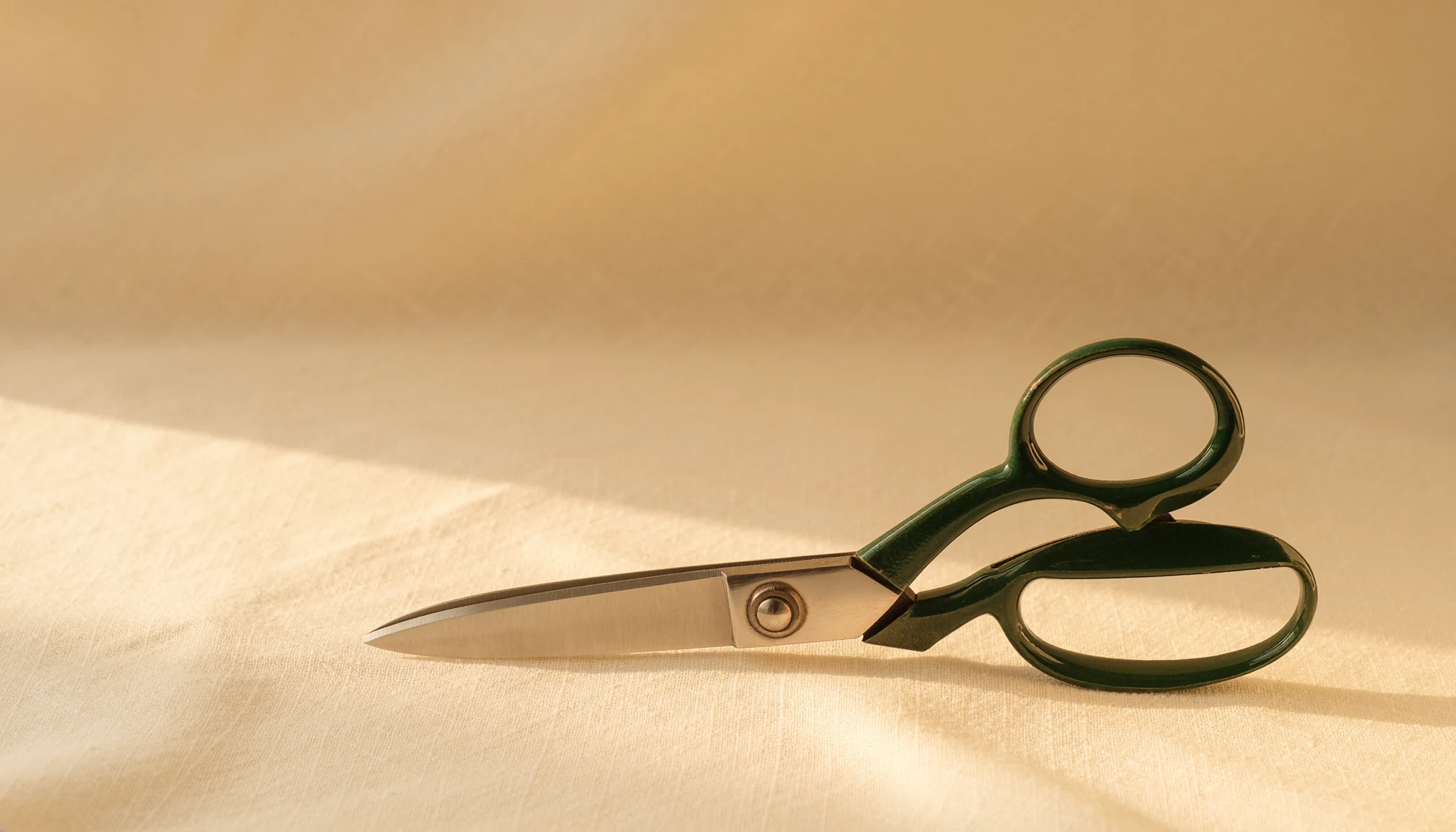
Forms to remember
| Meaning | Arabic | Transliteration |
|---|---|---|
| A pair of scissors — masculine in Arabic | مِقَصّ | miqaṣṣ |
| Several pairs of scissors | مَقَاصّ | maqāṣṣ |
| The scissors — a specific tool | الْمِقَصّ | al-miqaṣṣ |
| Sewing scissors | مِقَصُّ خِيَاطَةٍ | miqaṣṣu khiyāṭatin |
The first three forms are given without case endings to make them easier to memorise. The expression مِقَصُّ خِيَاطَةٍ specifies use in sewing and retains its grammatical endings. The plural مَقَاصّ is a broken plural: the word changes form, notably with a long ā. Learn the singular and plural together rather than looking for an ending to add.
Pronouncing miqaṣṣ and maqāṣṣ
In miqaṣṣ, the initial i is short. The letter ق, written q, is pronounced further back in the mouth than an English k. The letter ص, written ṣ, is an emphatic s. The doubling mark on this letter requires a longer consonant: the double ṣṣ is not decorative. In the plural maqāṣṣ, lengthen the ā without adding a vowel after the final ṣṣ.
These guidelines concern Standard Arabic. Transliteration helps identify sounds but does not replace listening. In the fully vowelled sentences, the endings reflect connected grammatical reading; they may change or go unpronounced when pausing.
Three sentences to practise
| Arabic and transliteration | Meaning |
|---|---|
| هٰذَا مِقَصٌّ صَغِيرٌ. hādhā miqaṣṣun ṣaghīrun. | This is a small pair of scissors. |
| أَقُصُّ الْقُمَاشَ بِالْمِقَصِّ. aquṣṣu l-qumāsha bi-l-miqaṣṣi. | I cut the fabric with the scissors. |
| هٰذِهِ الْمَقَاصُّ جَدِيدَةٌ. hādhihi l-maqāṣṣu jadīdatun. | These pairs of scissors are new. |
In the first sentence, the demonstrative and adjective are masculine singular: one tool is meant. In the third, the plural refers to several tools. Because these are objects, Standard Arabic normally uses feminine singular agreement. The three sentences are original teaching examples, not quotations from the dictionary.
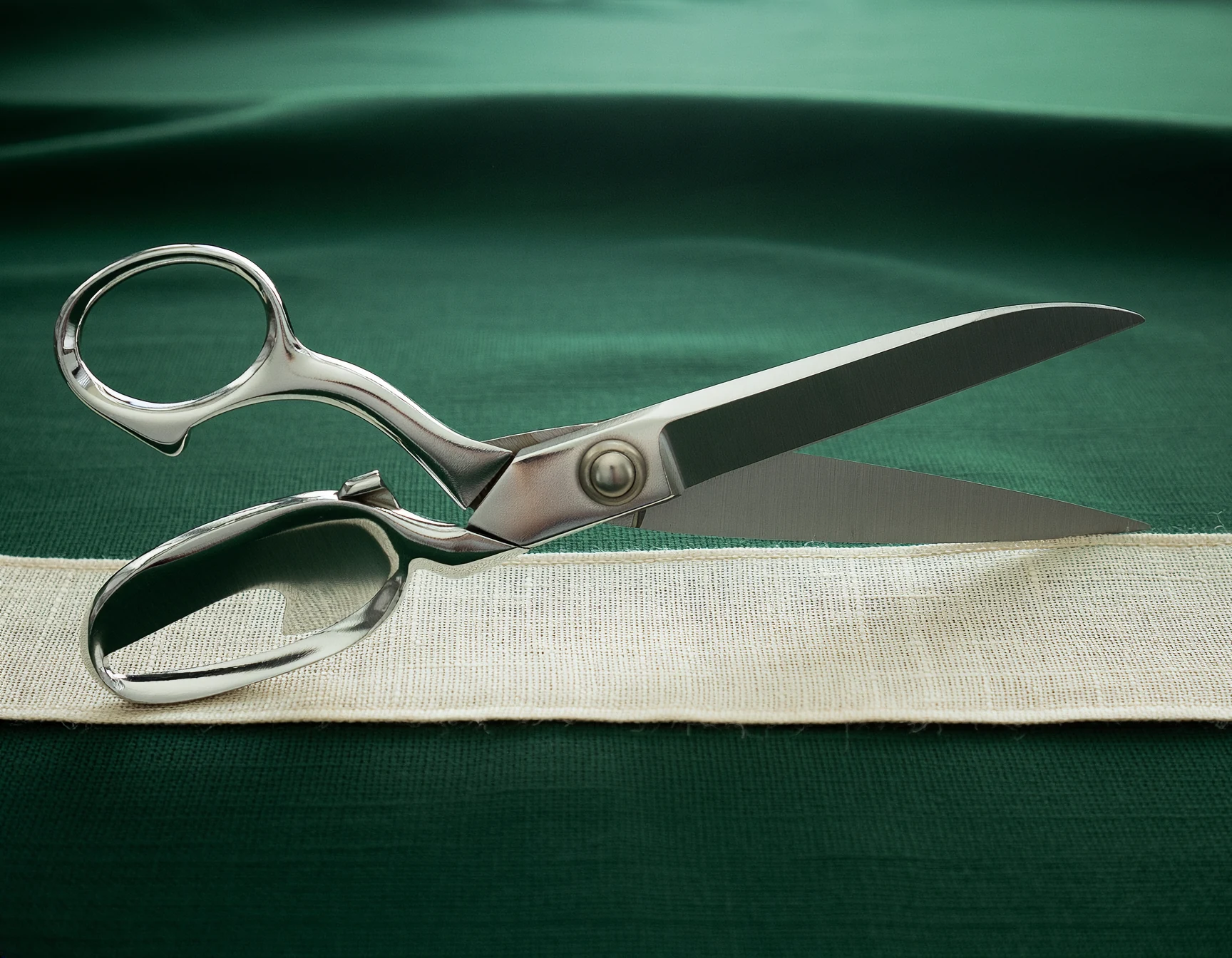
Scissors, fabric and thread: three words to connect
To remember the word, picture a sewing kit with fabric, قُمَاش (qumāsh), thread, خَيْط (khayṭ), and a needle, إِبْرَة (ibra). Scissors are used to cut; the needle carries thread through the fabric. Connecting each word to its function helps distinguish tools from materials.
Quick exercise: point to one tool in the image and say miqaṣṣ. Then imagine several pairs and say maqāṣṣ. Reread the first sentence, noting the masculine singular, then the third, identifying the feminine agreement. Finally, hide the translations and recall the Arabic words for fabric and thread. Repeat slowly, keeping the final ṣṣ clearly doubled.
Frequently asked questions
How do you say scissors in Arabic?
Scissors is مِقَصّ (miqaṣṣ), a masculine singular noun that can refer to a single pair of scissors.
What is the plural of مِقَصّ?
The plural is مَقَاصّ (maqāṣṣ). It refers to several pairs of scissors, not the two blades of one tool.
How do you say “sewing scissors”?
For one tool, you can say مِقَصُّ خِيَاطَةٍ (miqaṣṣu khiyāṭatin). This expression specifies use in sewing.
Continue with Clothing Vocabulary
Linguistic source
The entry in the Cairo Arabic Language Academy’s al-Wasīṭ dictionary attests the meaning of a tool used, among other things, to cut clothing, as well as the plural مَقَاصّ. This lesson’s explanations and exercises were written for learning purposes.