
Shawl in Arabic: شَال, two plurals and pronunciation
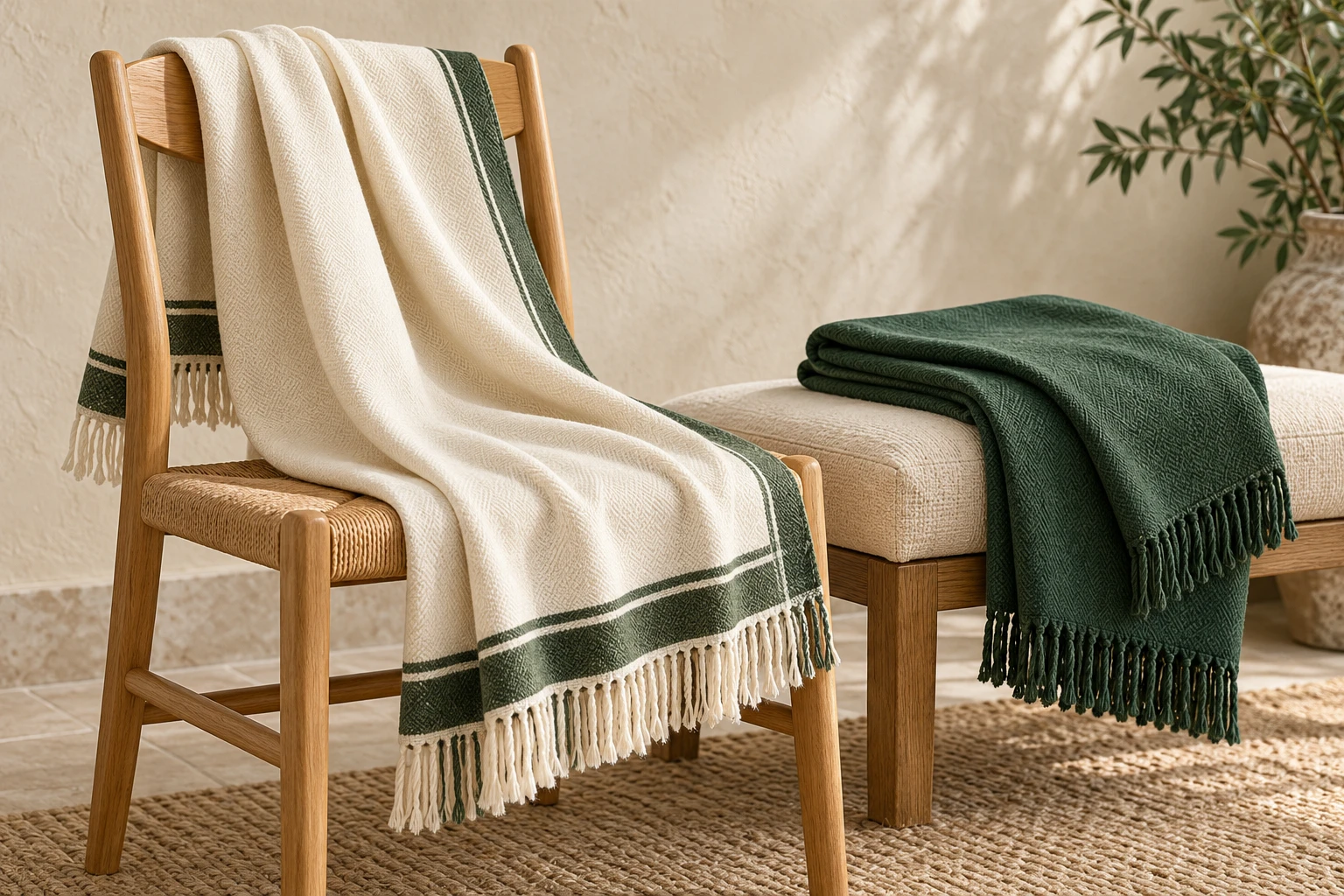
Shawl is شَال (shāl) in Arabic. This masculine noun has two recorded plurals: شَالَات (shālāt) and شِيلَان (shīlān). Learn to recognise both forms, pronounce “the shawl” and describe a fabric worn over the shoulders. This lesson also explains how it relates to وِشَاح (wishāḥ), without imposing a rigid distinction between shawls and scarves.
Shawl: singular, two plurals and possessive
Learn شَال, شَالَات and شِيلَان together. The first plural adds -āt; the second changes the vowels and word pattern. These are two forms of the same noun, not names for different garments. The isolated words in the table omit case endings and use pause-form transliteration.
| Meaning | Arabic | Pronunciation |
|---|---|---|
| A shawl | شَال | shāl |
| Shawls: plural in -āt | شَالَات | shālāt |
| Shawls: broken plural | شِيلَان | shīlān |
| The shawl | الشَّال | ash-shāl |
| My shawl | شَالِي | shālī |
Pronouncing shāl and the article in ash-shāl
The letters sh represent ش, like sh in “ship”. The ā is long: hold the vowel without adding a syllable. In شِيلَان (shīlān), both ī and ā are long. Transliteration makes the vowel change clear even when the Arabic text has no vowel marks.
With the article, write الشَّال and pronounce ash-shāl. The letter ش is a sun letter: the article’s l assimilates to sh, which is doubled. The shadda on شّ marks this doubling. In connected speech, the transliteration may begin sh-shāl after the preceding word’s vowel; the Arabic spelling of the article does not change.
A masculine noun, a dual and non-human plurals
شَال is masculine: هَذَا شَالٌ جَدِيدٌ, “This is a new shawl.” The -āt ending of شَالَات does not make the singular noun feminine. Grammatical gender does not specify who wears the shawl either. For “my shawl”, add ي directly: شَالِي (shālī).
For two shawls, the dual is شَالَانِ (shālāni) in the nominative and شَالَيْنِ (shālayni) in the accusative or genitive. عِنْدِي شَالَانِ, “I have two shawls”, uses the nominative.
In Standard Arabic, non-human plurals generally take feminine singular agreement: هَذِهِ الشَّالَاتُ جَمِيلَةٌ, “These shawls are beautiful.” This explains هَذِهِ and جَمِيلَةٌ, even though the singular noun is masculine. The same general rule applies to the plural شِيلَان.
Shawl and scarf: an overlapping distinction
As a starting point, associate شَال with a shawl that can be draped over the shoulders and وِشَاح (wishāḥ) with a scarf. These are practical guides, not exclusive definitions. Usage overlaps depending on the garment, country and situation: do not memorise an absolute “shoulders versus neck” rule.
The word شَال alone does not specify material, shape, the wearer’s gender or a religious purpose. Add those details when relevant: شَالٌ صُوفِيٌّ is a woollen shawl; شَالٌ خَفِيفٌ, a lightweight shawl. The adjective describes a particular property, not a requirement for using the noun.
Six sentences for describing or wearing a shawl
These examples were written for this lesson. The vocalised sentences and transliterations include grammatical endings, which are not always pronounced at a pause. In the sentence about shoulders, كَتِفَيَّ means “my two shoulders”: this body-part noun also uses the dual.
| Arabic | Meaning |
|---|---|
| هَذَا شَالٌ جَدِيدٌ. hādhā shālun jadīdun | This is a new shawl. |
| أُرِيدُ شَالًا صُوفِيًّا. urīdu shālan ṣūfiyyan | I would like a woollen shawl. |
| شَالِي خَفِيفٌ. shālī khafīfun | My shawl is lightweight. |
| أَضَعُ الشَّالَ عَلَى كَتِفَيَّ. aḍaʿu sh-shāla ʿalā katifayya | I place the shawl over my shoulders. |
| عِنْدِي شَالَانِ. ʿindī shālāni | I have two shawls. |
| هَذِهِ الشَّالَاتُ جَمِيلَةٌ. hādhihi sh-shālātu jamīlatun | These shawls are beautiful. |
A short review exercise
Without looking at the table, recall both plurals of شَال. Then translate “my shawl” and complete هَذَا شَالٌ … to say “This is a new shawl”. Finally, explain why the article’s l is not heard in ash-shāl.
Answers: شَالَات and شِيلَان; شَالِي; جَدِيدٌ. The l assimilates to the sun letter ش. For further practice, describe your shawl with a masculine adjective, then switch to the plural with feminine singular agreement.
Frequently asked questions
How do you write shawl in Arabic?
Write شَال (shāl), or شال without short-vowel marks. Sh represents ش and ā marks a long vowel. With the article, write الشَّال and pronounce ash-shāl.
What are the plurals of شال?
Two plurals are recorded: شَالَات (shālāt), with the ending -āt, and شِيلَان (shīlān), a broken plural. They are plurals of the same noun, not automatic distinctions between types of shawl.
Is shawl masculine or feminine in Arabic?
شَال is masculine: هَذَا شَالٌ جَدِيدٌ means “This is a new shawl”. The plural ending -āt does not make the singular feminine. As a non-human plural, it generally takes feminine singular agreement: هَذِهِ الشَّالَاتُ جَمِيلَةٌ.
Why is it pronounced ash-shāl rather than al-shāl?
ش is a sun letter. The article’s l assimilates to sh, which is doubled: الشَّال is pronounced ash-shāl. The shadda marks the doubling, but the article keeps its spelling ال.
How do you say my shawl and two shawls in Arabic?
“My shawl” is شَالِي (shālī). For two shawls, the dual is شَالَانِ (shālāni) in the nominative and شَالَيْنِ (shālayni) in the accusative or genitive. For example: عِنْدِي شَالَانِ, “I have two shawls”.
What is the difference between شال and وشاح?
شَال (shāl) can refer to a shawl, while وِشَاح (wishāḥ) can mean a scarf. Their uses overlap: there is no absolute rule limiting one to the shoulders and the other to the neck. Specify material, shape and wearer when relevant.
Continue learning clothes in Arabic
Compare shawl and scarf, then learn the word for coat. Explore more clothing in the topic guide or choose another topic in the Vocabulary hub.
Linguistic sources
The plural شِيلَان was checked in the Cairo Arabic Language Academy’s resources; شَالَات is recorded in the Dictionary of Contemporary Arabic, reproduced by Arabdict. The meaning of shawl was cross-checked with Cambridge. The example sentences were written for this lesson.