Hat in Arabic: قُبَّعَة, plural and pronunciation
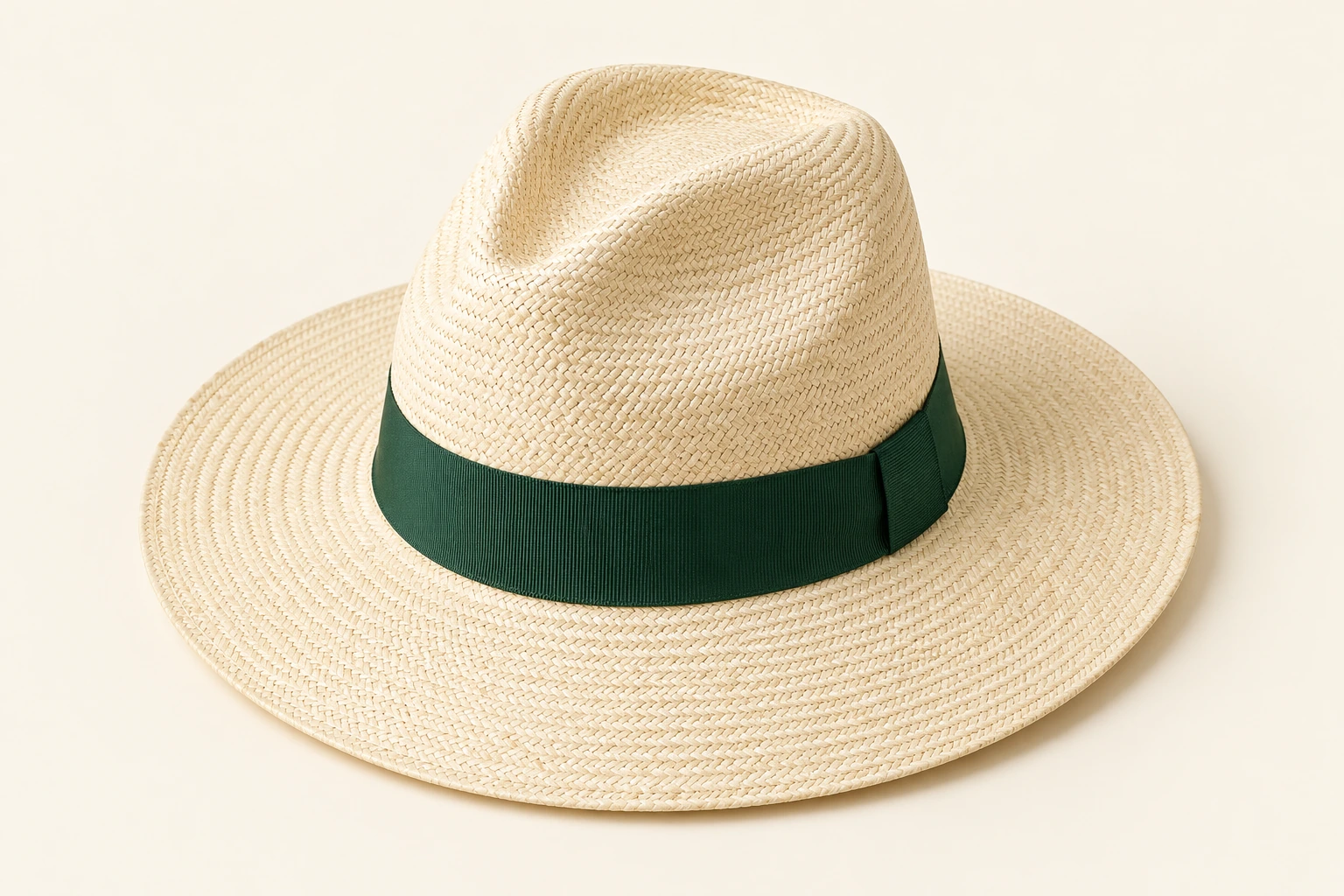
“Hat” is قُبَّعَة (qubbaʿa) in Modern Standard Arabic. Its plural is قُبَّعَات (qubbaʿāt). The Arabic noun is feminine. This lesson teaches you to pronounce the word, say “my hat” and use the singular or plural in simple sentences. The context helps specify the type of headwear.
A hat, hats and my hat
Learn the singular with its regular plural in -āt: qubbaʿa becomes qubbaʿāt. The table gives vocabulary forms without case endings. Notice the possessive too: qubbaʿatī refers to one hat, whereas qubbaʿātī refers to several. The length of the a distinguishes them. With the suffix -ī, “my”, do not add the article al-.
| Meaning | Arabic | Pronunciation |
|---|---|---|
| A hat | قُبَّعَة | qubbaʿa |
| Hats | قُبَّعَات | qubbaʿāt |
| The hat | الْقُبَّعَة | al-qubbaʿa |
| The hats | الْقُبَّعَات | al-qubbaʿāt |
| My hat | قُبَّعَتِي | qubbaʿatī |
| My hats | قُبَّعَاتِي | qubbaʿātī |
Pronouncing qubbaʿa and recognising its letters
Break the word into qub-ba-ʿa. The q represents ق, pronounced farther back than k. The u is short, roughly the vowel in “put”. The double b corresponds to the shadda: briefly hold your lips closed before releasing. The sign ʿ represents ع, a consonant articulated in the throat, not a silent apostrophe. In the plural, lengthen the ā in qubbaʿāt.
The final ة, called tāʾ marbūṭa, is written as -a here in pause. Its t appears before the possessive suffix: qubbaʿatī. With a grammatical ending, one form is qubbaʿatun. Finally, q is a moon letter: the article’s l remains audible in al-qubbaʿa. The examples retain written endings, and their transliteration follows this full reading.
Hat, cap or beanie: making the context clear
Qubbaʿa is useful for naming a hat, but the word alone does not specify an exact shape. It can also refer to a cap when the context or a description of its peak makes that clear. Do not assume a perfect one-to-one match between “hat”, “cap” and “beanie” and Arabic words. Specify the material, season or shape of the item. A woollen hat is not necessarily a beanie: the material alone does not identify the style.
| Arabic | Meaning |
|---|---|
| قُبَّعَةٌ خَفِيفَةٌ qubbaʿatun khafīfatun | A lightweight hat |
| قُبَّعَةٌ صُوفِيَّةٌ qubbaʿatun ṣūfiyyatun | A woollen hat |
| قُبَّعَةٌ شِتَوِيَّةٌ qubbaʿatun shitawiyyatun | A winter hat |
Feminine gender and plural agreement
For one hat, use hādhihi and the feminine adjective jadīda, “new”. In the plural, hats are objects: in Modern Standard Arabic, this non-human plural normally takes feminine singular agreement. The noun therefore becomes qubbaʿāt, but hādhihi and jadīda remain feminine singular. Compare the first two sentences. The third shows a sentence with no expressed present-tense verb “to be”: the hat is big.
| Arabic | Meaning |
|---|---|
| هَذِهِ قُبَّعَةٌ جَدِيدَةٌ. hādhihi qubbaʿatun jadīdatun. | This is a new hat. |
| هَذِهِ قُبَّعَاتٌ جَدِيدَةٌ. hādhihi qubbaʿātun jadīdatun. | These are new hats. |
| الْقُبَّعَةُ كَبِيرَةٌ. al-qubbaʿatu kabīratun. | The hat is big. |
Wearing, finding and asking for a hat
The first-person sentences work regardless of the speaker’s gender. After urīdu, “I want”, the noun and adjective here take the accusative: qubbaʿatan kabīratan. In “my hat”, keep the t before -ī. To locate the item, fawqa means “above” or “on”, and raʾsī means “my head”. Learn a question and its answer before replacing individual words.
| Arabic | Meaning |
|---|---|
| أَلْبَسُ قُبَّعَتِي. albasu qubbaʿatī. | I wear my hat. |
| أَيْنَ قُبَّعَتِي؟ ayna qubbaʿatī? | Where is my hat? |
| قُبَّعَتِي فَوْقَ رَأْسِي. qubbaʿatī fawqa raʾsī. | My hat is on my head. |
| أُرِيدُ قُبَّعَةً كَبِيرَةً. urīdu qubbaʿatan kabīratan. | I want a big hat. |
Three steps to remember the word
Cover the table and recall “a hat”, “hats” and then “my hat”. Next, make “this is a new hat” plural: in this example, only the noun changes. Finally, ask “where is my hat?” and answer that it is on your head. Check the double b, the consonant ʿ and the long ā in the plural. Try again without looking, and write the Arabic word too.
Continuez à pratiquer
Un dictionnaire visuel pour élargir votre vocabulaire
Le Robert & Collins – Dictionnaire visuel arabe
Après le mot « chapeau », élargissez votre vocabulaire quotidien en associant mots et images. Le Robert & Collins – Dictionnaire visuel arabe est une édition français-arabe : son classement thématique permet de poursuivre vos révisions avec un support illustré.
Lien affilié Amazon.
Voir sur AmazonBuild your practice
Build your vocabulary with pictures
Arabic English Bilingual Visual Dictionary – DK
After learning the word for “hat”, build on clothing vocabulary with DK’s Arabic–English visual dictionary. It groups everyday words by topic and pairs them with pictures. This is an English–Arabic edition.
Amazon affiliate link.
View on AmazonWort für Wort
Den Wortschatz mit Bildern erweitern
PONS Bildwörterbuch Arabisch: 1.500 nützliche Wörter für den Alltag
Nach dem Wort für „Hut“ können Sie Ihren Wortschatz weiter üben: Das deutsch-arabische PONS-Bildwörterbuch bietet 1.500 Alltagsbegriffe mit Bildern. Zu den Themen gehört auch Kleidung.
Amazon-Affiliate-Link.
Auf Amazon ansehenPalabra a palabra
Amplía tu vocabulario con imágenes
Diccionario de árabe 100% Visual – Larousse Editorial
Después de aprender la palabra «sombrero», sigue ampliando tu vocabulario cotidiano. Este diccionario visual español-árabe reúne palabras y expresiones organizadas por temas y acompañadas de imágenes.
Enlace de afiliado de Amazon.
Ver en AmazonFrequently asked questions
How do you say hat in Arabic?
A hat is قُبَّعَة (qubbaʿa) in Modern Standard Arabic. The Arabic noun is feminine.
What is the plural of hat in Arabic?
The plural is قُبَّعَات (qubbaʿāt). It is a regular plural in -āt; pronounce the ā long.
How do you pronounce qubbaʿa with the article?
Say الْقُبَّعَة (al-qubbaʿa). The q is a moon letter, so the article’s l is pronounced. The double b belongs to the word itself.
How do you say my hat in Arabic?
Say قُبَّعَتِي (qubbaʿatī). The tāʾ marbūṭa becomes a written t before the suffix -ī. Do not add al-.
Does qubbaʿa only mean hat?
No. It can also refer to a cap, depending on the context. To distinguish types of headwear, specify the shape, material or presence of a peak.
Why does the adjective stay singular with qubbaʿāt?
Qubbaʿāt is a non-human plural. In Modern Standard Arabic it normally takes feminine singular agreement: قُبَّعَاتٌ جَدِيدَةٌ (qubbaʿātun jadīdatun), “new hats”.
Continue learning clothes in Arabic
Continue with clothes, then socks and shoes to describe an outfit. The pronunciation guide helps you practise the Arabic sounds used in this lesson.