Zipper in Arabic: سَحَّاب (saḥḥāb)
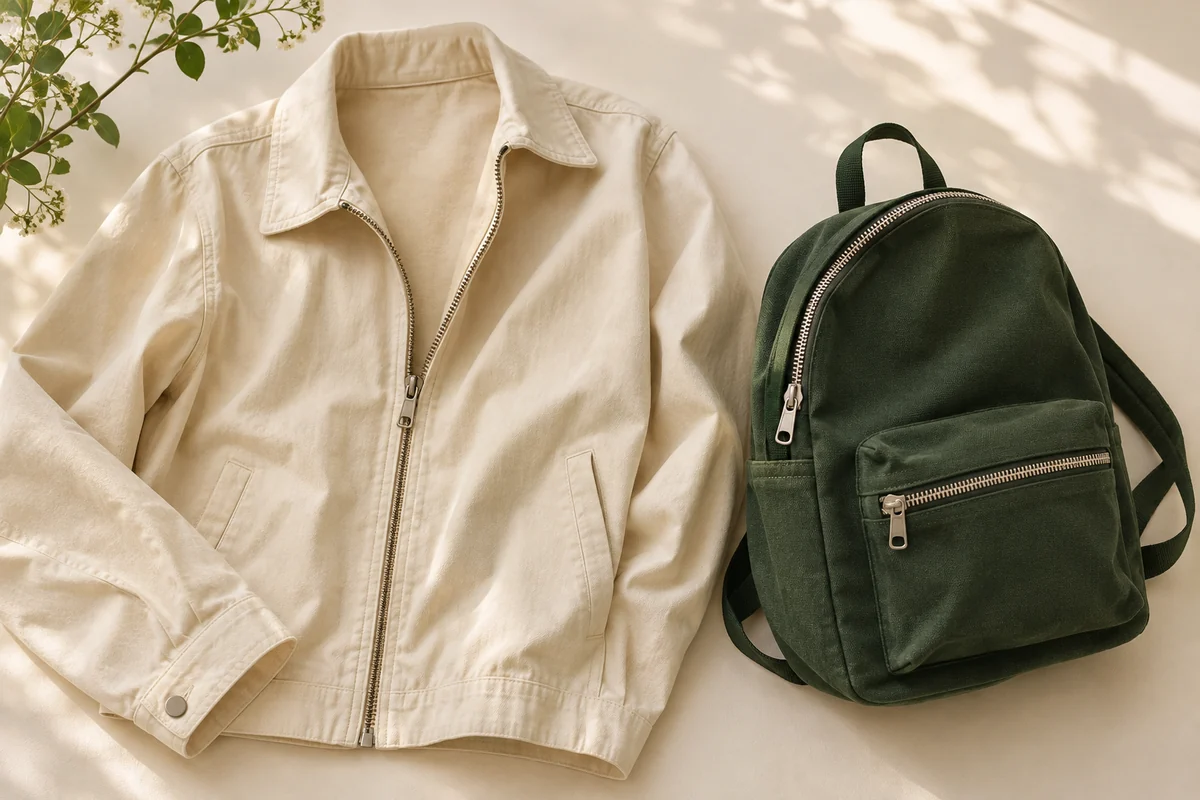
The zipper, or zip, on a jacket, a pair of trousers or a bag is سَحَّاب (saḥḥāb) in Modern Standard Arabic. Its plural is سَحَّابَات (saḥḥābāt). This useful word helps you describe clothing, ask for a repair or explain a problem. Learn the pronunciation, then practise with four fully vowelled sentences and an exercise with an answer.
Singular, Plural and Gender
سَحَّاب is a masculine noun in Arabic. Its plural is formed with the ending ـَات: سَحَّابَات. This ending does not change the gender of the singular noun.
| Meaning | Arabic | Pronunciation |
|---|---|---|
| A zipper: masculine | سَحَّاب | saḥḥāb |
| Zippers | سَحَّابَات | saḥḥābāt |
| The zipper | السَّحَّاب | as-saḥḥāb |
| The zippers | السَّحَّابَات | as-saḥḥābāt |
سَحَّاب جَدِيد means “a new zipper”. In the plural, سَحَّابَات جَدِيدَة means “new zippers”. The adjective becomes feminine singular, following the usual agreement pattern for plurals that refer to things in Modern Standard Arabic.
How to pronounce saḥḥāb
In saḥḥāb, pronounce s as in “sun”. The ḥ represents ح, a breathy sound produced in the throat without vibrating the vocal cords. The shadda mark ّ shows that this consonant is doubled: hold it slightly longer. The ā is a long a sound, followed by the final b.
With the article, السَّحَّاب is pronounced as-saḥḥāb: the l of al- assimilates to s, a sun letter. The plural is saḥḥābāt, or as-saḥḥābāt with the article. The standalone forms in the table are shown without final grammatical endings.
Four sentences with zipper
| Arabic and pronunciation | Meaning |
|---|---|
| هَٰذَا سَحَّابٌ جَدِيدٌ. hādhā saḥḥābun jadīdun. | This is a new zipper. |
| أَفْتَحُ سَحَّابَ الْحَقِيبَةِ. aftaḥu saḥḥāba l-ḥaqībati. | I open the zipper on the bag. |
| أُغْلِقُ سَحَّابَ السُّتْرَةِ. ughliqu saḥḥāba s-sutrati. | I close the zipper on the jacket. |
| السَّحَّابُ مَكْسُورٌ. as-saḥḥābu maksūrun. | The zipper is broken. |
These original teaching examples include grammatical endings. Some final vowels are normally omitted when pausing.
Zippers, buttons and similar-looking words
To name the item with the zipper, put its name after سَحَّاب: سَحَّاب الْحَقِيبَة means “the bag’s zipper”. In this construction, the first noun does not take the article. To say just “the zipper”, use السَّحَّاب.
Do not confuse سَحَّاب (saḥḥāb), “zipper”, with سَحَاب (saḥāb), “clouds”. The consonant ح is doubled only in the first word. Without vowel marks or shadda, both are written سحاب, so context becomes essential.
A button is زِرّ (zirr), a different kind of fastener. This lesson teaches the standard word سَحَّاب; the terms used in everyday conversation can vary by region.
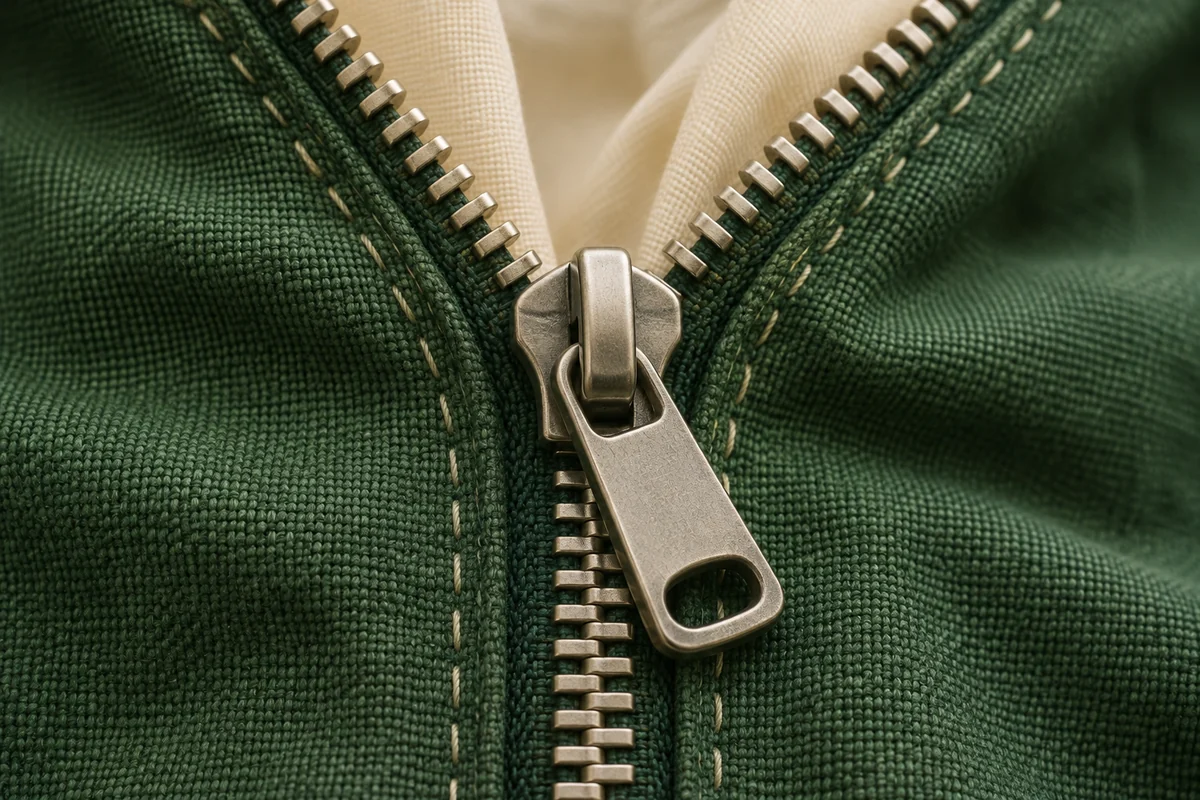
Your Turn
Fill in the plural of سَحَّاب to say “These are new zippers”. The adjective جَدِيدَةٌ already has the correct agreement: look at its form before checking the answer.
هَٰذِهِ ______ جَدِيدَةٌ.
Show the Answer
سَحَّابَاتٌ : saḥḥābātun.
هَٰذِهِ سَحَّابَاتٌ جَدِيدَةٌ.
hādhihi saḥḥābātun jadīdatun.
These are new zippers.
سَحَّابَاتٌ is the plural. جَدِيدَةٌ is feminine singular because zippers are non-human.
Associer les mots aux images
Réviser les vêtements et leurs accessoires
Le Robert & Collins – Dictionnaire visuel arabe
Après la fermeture éclair, révisez les noms des vêtements et des objets du quotidien. Ce dictionnaire visuel français-arabe permet d’associer les mots aux images et de les revoir par thèmes. Complétez la lecture en décrivant votre propre veste ou votre sac.
Lien affilié Amazon : nous pouvons percevoir une commission sur les achats éligibles, sans coût supplémentaire pour vous.
Voir sur AmazonLearn with pictures
Review clothing and everyday accessories
Arabic English Bilingual Visual Dictionary
After learning the word for a zipper, review clothing and everyday objects. This Arabic–English visual dictionary helps you connect words with pictures and revisit them by topic. Practise further by describing your own jacket or bag.
Amazon affiliate link: we may earn a commission on qualifying purchases, at no extra cost to you.
View on AmazonMit Bildern lernen
Kleidung und Alltagsgegenstände wiederholen
PONS Bildwörterbuch Arabisch: 1.500 nützliche Wörter für den Alltag
Nach dem Wort für Reißverschluss können Sie Kleidung und Alltagsgegenstände wiederholen. Dieses deutsch-arabische Bildwörterbuch hilft dabei, Wörter mit Bildern zu verbinden und nach Themen zu lernen. Beschreiben Sie anschließend Ihre eigene Jacke oder Tasche in kurzen Sätzen.
Amazon-Affiliate-Link: Für qualifizierte Käufe erhalten wir gegebenenfalls eine Provision. Für Sie entstehen keine zusätzlichen Kosten.
Auf Amazon ansehenRelaciona palabras e imágenes
Repasa la ropa y los objetos cotidianos
Diccionario de árabe 100% Visual
Después de aprender la palabra para cremallera, repasa la ropa y los objetos cotidianos. Este diccionario visual español-árabe permite relacionar palabras e imágenes y estudiarlas por temas. Completa el repaso describiendo tu propia chaqueta o tu bolso.
Enlace de afiliado de Amazon: podemos recibir una comisión por las compras que cumplan los requisitos, sin coste adicional para ti.
Ver en AmazonFAQ: 4 questions and answers
How do you say “zipper” in Arabic?
Say سَحَّاب (saḥḥāb). This masculine noun refers, for example, to the zipper on a jacket, a pair of trousers or a bag.
What is the plural of سَحَّاب?
The plural is سَحَّابَات (saḥḥābāt), “zippers”. With the article: السَّحَّابَات (as-saḥḥābāt).
How do you say “the zipper is broken”?
Say السَّحَّابُ مَكْسُورٌ (as-saḥḥābu maksūrun). The adjective is masculine, like the noun سَحَّاب.
What is the difference between سَحَّاب and سَحَاب?
سَحَّاب (saḥḥāb), with a doubled ḥ, means “zipper”. سَحَاب (saḥāb), without the doubling, means “clouds”.
Continue with Clothing Vocabulary
Linguistic Sources
The Damascus Arabic Language Academy’s dictionary lists سَحَّاب for “zipper” (p. 74, entry 101). Wiktionary gives its gender and plural. The Cairo Arabic Language Academy’s dictionary confirms the separate meaning of سَحَاب, “clouds”.